
Table of Contents
- Why railings fail quietly
- Warning signs on balconies
- Warning signs on staircases
- Quick reference: repair or replace?
- Height and gap limits to check
- Deciding whether to replace or repair
- Choosing a replacement
- Frequently asked questions
- Before you call a contractor
Why railings fail quietly
Railings rarely collapse without warning, but they do lose strength gradually. Sun, rain, salt air, and daily use loosen fasteners, feed rot into wood, and corrode metal from the inside out. Because the damage often hides behind paint or at connection points, many homeowners only notice it after a rail moves under their hand. A railing exists to catch a person who falls, so even small weaknesses deserve attention.
Warning signs on balconies

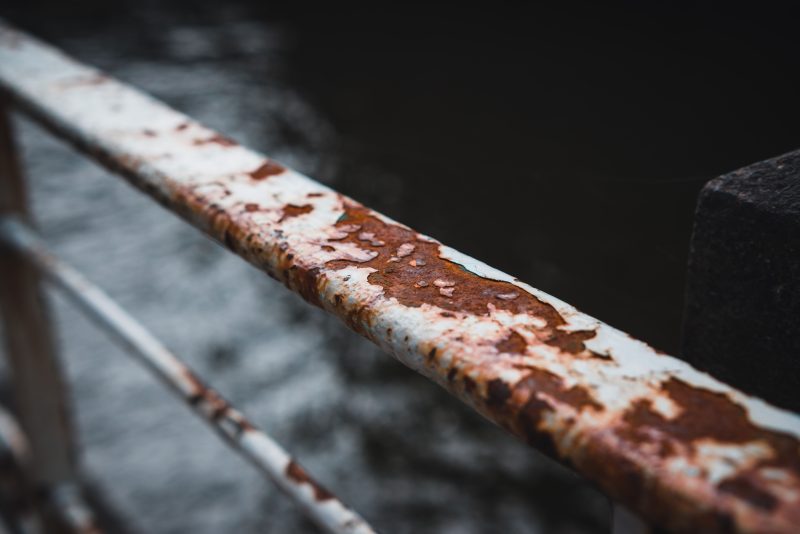
Balconies combine exposure with load, which makes them a common place for failure. Start with the points where the railing meets the structure. Look for rust bleeding from bolts or brackets, timber that feels soft when probed with a screwdriver, and posts that sit at a slight angle. Water that pools at the base of a post or sits on the balcony surface speeds up decay, so check those spots after heavy rain.
Most building authorities recommend a yearly visual inspection. The annual check guidance from the Victorian Building Authority covers timber, concrete, and balustrade fixings in plain language, and it is a useful checklist for owners who want a structured routine.
- Rust, flaking paint, or rust stains where steel meets timber or concrete
- Rotted, spongy, or split timber near posts, rail caps, or the base of balusters
- Concrete that cracks, flakes, or shows rust stains on exposed reinforcing
- A railing that moves when you lean on it, even slightly
- Loose bolts or screws that turn without resistance
Warning signs on staircases
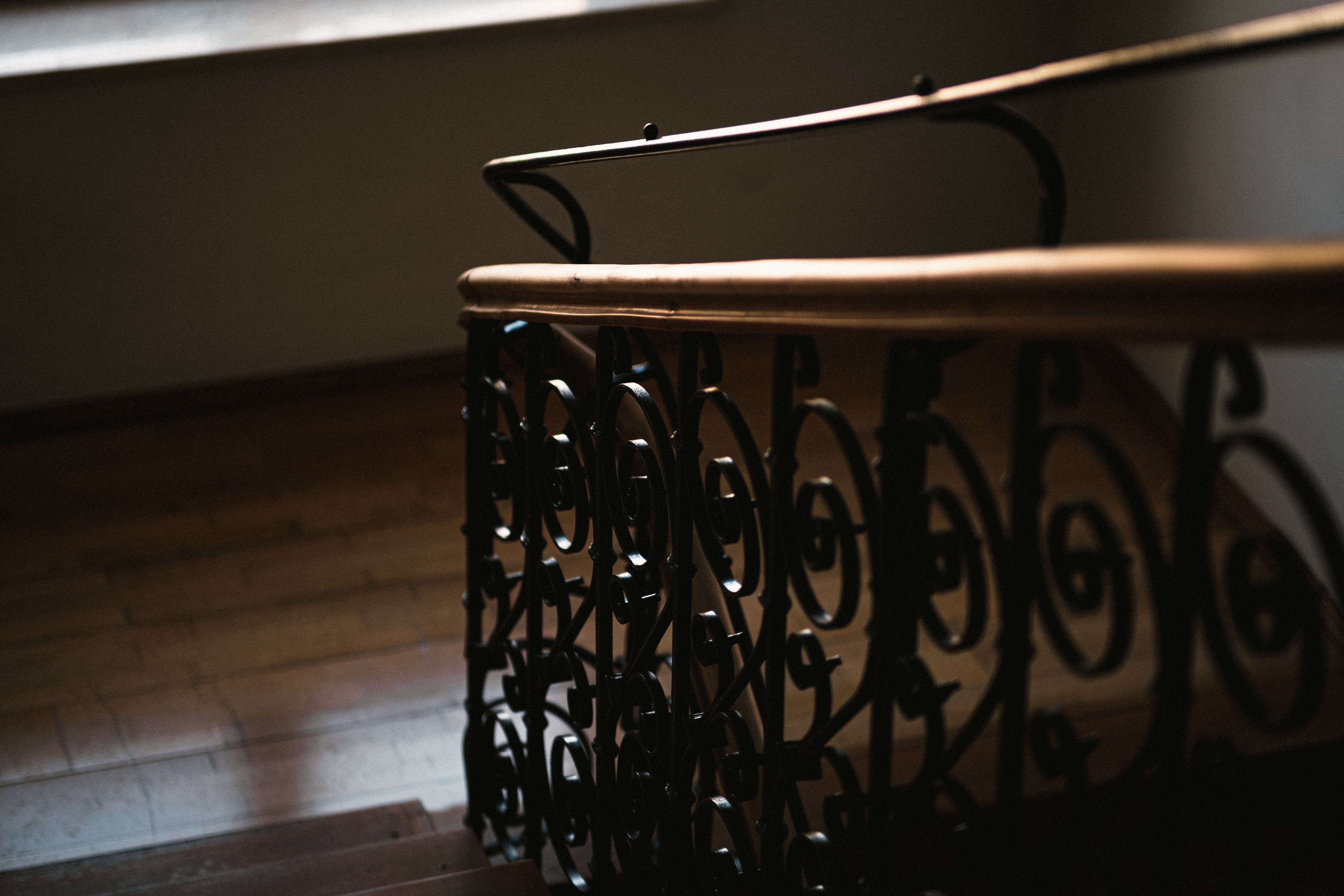
Stair railings carry a different kind of stress. People grab them when they slip, climb, or carry something heavy, so the force can come sideways and suddenly. A handrail that looks fine may still be anchored to a wall plate that has pulled loose. Pay attention to these signs:
- The handrail flexes or wobbles when pushed firmly from several directions
- Wall brackets or newel post connections show gaps, cracks in the plaster, or loose screws
- Balusters rock in their base or have separated from the top or bottom rail
- Metal handrails show pitting, bubbling paint, or rust near joints and welds
- Wooden handrails have split, cupped, or softened sections, especially near the ends
A simple test helps. Grip the rail at several points and pull outward and downward with your full body weight. Anything that moves, creaks, or pulls away from its fixing needs closer inspection, and a rail that fails this test should be taken out of service until it is repaired.
Quick reference: repair or replace?
The table below summarizes common warning signs and the usual response. Minor surface issues can often be fixed, while structural problems usually call for replacing the affected section or the entire railing.
Height and gap limits to check
Safety is not only about strength. A railing that is too low or has gaps that a child could slip through is unsafe even when it is structurally sound. The International Residential Code, which many states and cities adopt in some form, generally calls for guards at least 36 inches high on open-sided balconies and stairs, and it limits openings so that a 4-inch sphere cannot pass through. Handrails on stairs typically fall in the 34 to 38 inch range.
Older railings were often built to standards that have since changed. A railing that was legal when installed may still need replacement if it falls short of current rules, particularly after a remodel or when a deck or balcony is re-surfaced. Tile or paving added after installation can also reduce the effective height, so measure from the finished floor.
Deciding whether to replace or repair
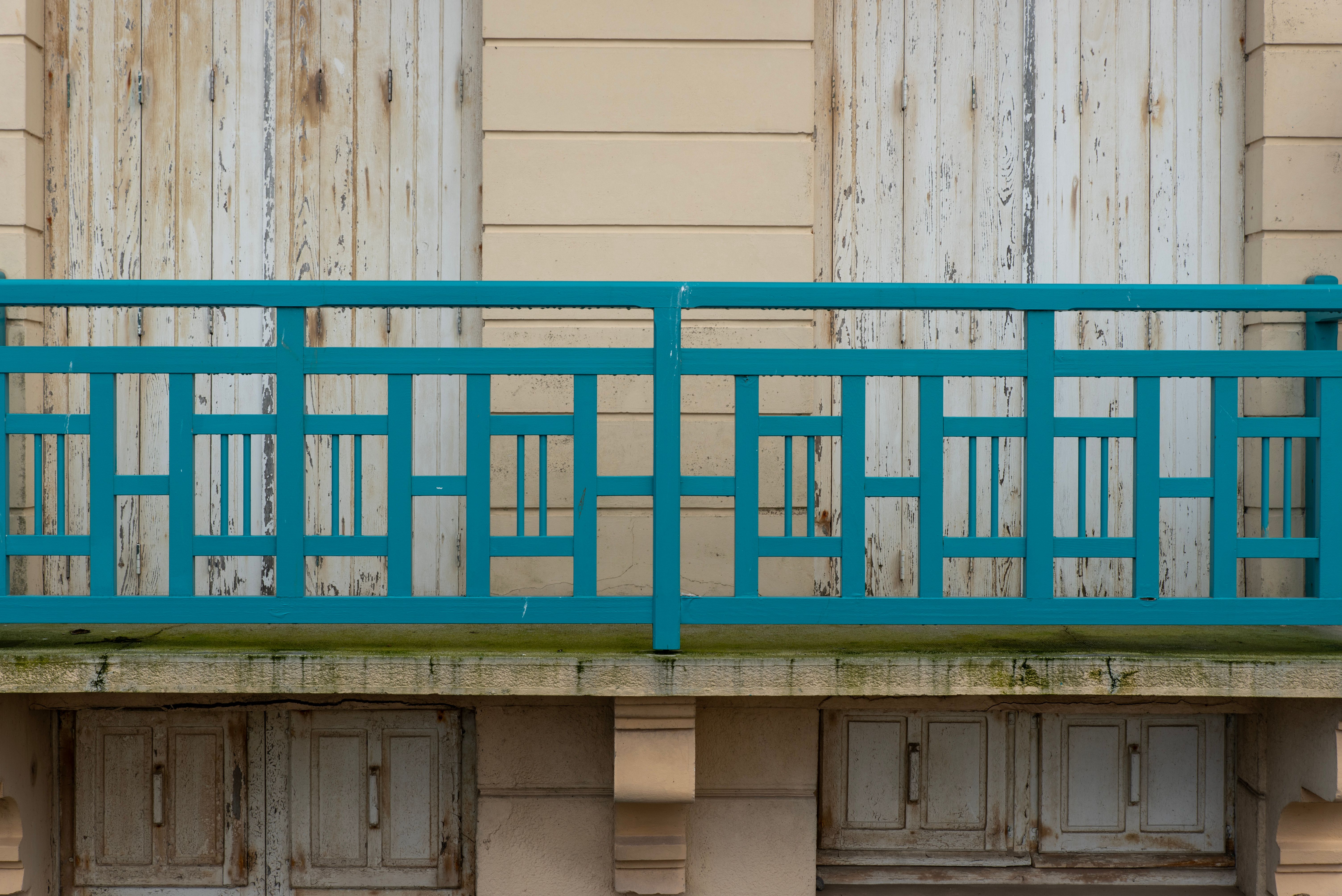
Repair makes sense when the damage is limited and the underlying structure is sound. Replacing a few loose screws, repainting rusted steel after cleaning it down to bare metal, or swapping a cracked glass panel are typical repairs. Replacement becomes the better choice when problems appear in several places, when the posts or anchors are compromised, or when the railing no longer meets current height and gap rules.
Cost matters, but so does the cost of a failure. A partial repair on a deteriorating railing can buy a few years, while a full replacement resets the clock. If you are unsure, ask a qualified inspector or structural engineer to assess the anchor points before you decide.
Choosing a replacement
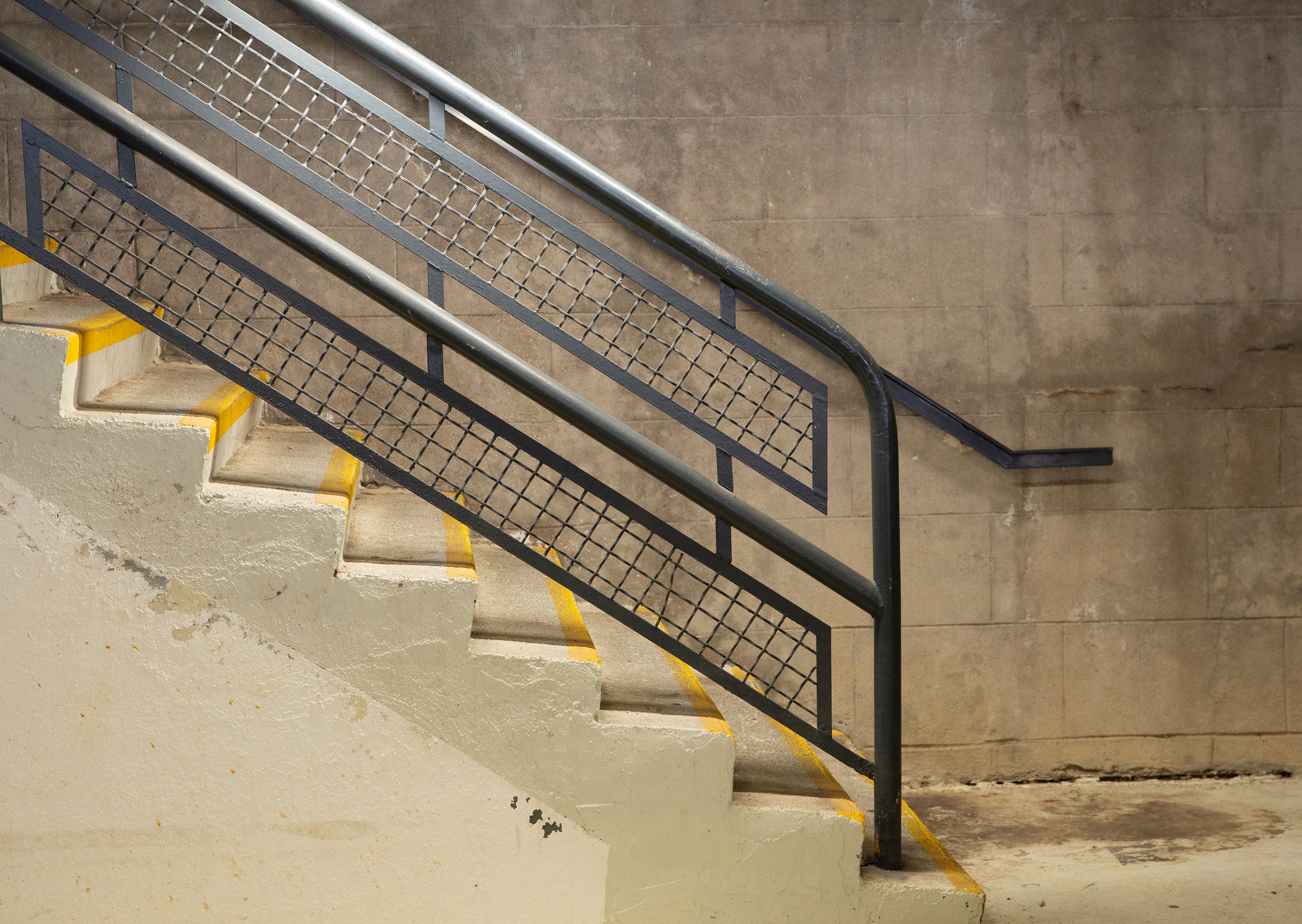
When replacement is needed, material choice affects how often you will inspect and maintain the railing. Consider these options:
- Powder-coated or galvanized steel: strong and slim, with good longevity when coatings are kept intact
- Aluminum: light, rust-resistant, and suitable for coastal homes
- Pressure-treated or hardwood timber: warm in appearance, but it needs regular sealing and close inspection
- Tempered glass infill: open views and low maintenance, with careful attention to fixings
Whatever material you choose, confirm that the new system is anchored to the main structure rather than only to a deck surface or a thin fascia board. Many failures start at the connection, not in the rail itself. If you are comparing systems, product pages for balustrades can help you understand the common fixing methods, profiles, and infill options before you talk with an installer.
Frequently asked questions
How often should a balcony or stair railing be inspected?
A visual inspection at least once a year is a common recommendation. Check after storms or heavy use, and inspect more often for timber railings or those exposed to salt air.
Can a loose railing be tightened instead of replaced?
Yes, if the fixings and the structure behind them are sound. If the holes are stripped, the wood is soft, or the anchor is corroded, tightening will not restore strength and the connection should be rebuilt.
Do older railings have to be upgraded?
Not always, but many local rules apply when work is done or when a railing is considered unsafe. Check with your local building department before making changes.
Is a railing with rust always unsafe?
Surface rust on a sound steel rail is usually a maintenance issue. Rust that has thinned the metal, weakened welds, or spread around fixings is a structural concern and should be assessed promptly.
Before you call a contractor
Take photos of the railing, its posts, and every fixing point before you call anyone. Clear images help you compare conditions over time and make it easier for an installer to quote accurately. Note when you first noticed each problem, and keep a record of any repairs. A railing that is checked, documented, and maintained on a regular schedule is far less likely to fail when someone leans on it on a busy evening, and that steady attention is the simplest way to keep a balcony or staircase safe for everyone who uses it.